




Climate Zone Impact on 1200 Sq Ft HVAC Size
Discover how climate zones drastically alter HVAC size needs for your 1,200 sq ft home. From humid Florida’s 3-3.5 tons to Minnesota’s 2.5-3 ton heat pumps, learn DOE’s 8 zones and avoid costly sizing errors. Get precise BTU calculations now.
I nearly froze my family out of our new 1,200 sq ft home-until I learned climate zone flips HVAC size upside down. Picking the wrong HVAC equipment wastes cash and comfort, ignoring climate change impact on heating cooling load. I’ll break down DOE’s 8 climate zones, BTU requirements tweaks from hot climate humid Florida (3-3.5 tons) to frigid cold climate Minnesota (2.5-3 tons with heat pump capacity), Manual J calculation, and real cost savers. Stick around-what’s your zone demanding?
HVAC Sizing Basics for a 1,200 Sq Ft Home
Sizing residential HVAC for 1,200 sq ft home starts with capacity factors beyond just square footage and home size. I’ve seen systems fail when installers ignore climate data. Proper sizing matters because an oversized HVAC causes oversized risks like short cycling, wasting energy and wearing out parts fast. An undersized one struggles on hot days, leaving rooms uncomfortable. For these mid-sized homes, ASHRAE guidelines guide us through Manual J calculation, which factor in local conditions for accurate BTU requirements. This ensures your system handles peak loads without excess cost. Think about a family in a hot zone sweating through summers with a weak unit, or one in cold areas with sky-high bills from inefficiency.
Manual J calculation looks at your home’s specifics, like insulation levels, R-value, and window efficiency, to match equipment to real needs. For a 1,200 sq ft home, rough guesses like 400 sq ft per ton work as starters, but climate zone shifts everything. Coastal spots with high humidity demand extra for latent heat, while dry areas focus on sensible cooling. Following ACCA standards prevents common mistakes, like picking based only on square footage. I’ve helped friends avoid oversized HVAC heat pumps by running load calculation with local cooling degree days and heating degree days, which also helps you budget smartly with our detailed HVAC replacement cost breakdown for 1200 sq ft houses. This sets up the next steps: breaking down key factors that tweak your final tonnage.
Transitioning to details, we’ll cover the main influences on HVAC size. From R-value in wall insulation to occupancy load, each plays a part in climate-adjusted tonnage calculation. Getting this right boosts energy efficiency, cuts bills, and keeps comfort steady year-round, no matter if you’re in a humid climate or high altitude spot needing adjustments.
Key Factors in Determining HVAC Capacity
Beyond square footage, seven key factors drive HVAC size: climate zone, insulation levels R-value, window efficiency, occupancy load, ductwork design, air infiltration, and internal gains. Climate zone tops the list, since Zone 1A needs 30% more cooling than Zone 5 for the same home due to extreme heat and cooling degree days. Insulation makes a big difference too: R-30 attic versus R-13 cuts load by 25%, keeping heat out in summer and in during winter. I’ve seen older homes in temperate zones transformed just by adding attic insulation.
Windows matter a lot, with Low-E coatings reducing solar gain by 40%, especially in sunny, dry climates. Occupancy adds up quick: four people generate about 16,000 BTU from body heat and activities. Duct leakage is sneaky, often causing 15% loss in airflow, so tight sealing is key for ductwork design. Air infiltration at 0.35 ACH naturally lets in outside air, worse in windy coastal climates. Appliances like a kitchen setup pile on 12,000 BTU from ovens and fridges, bumping internal gains.
These factors tie into Manual J calculation for precise peak load estimates, covering sensible heat and latent heat. In cold climate zones, heating degree days shift focus to furnace sizing or heat pump capacity. High altitude needs blower motor tweaks, and zoning systems help uneven homes. IECC codes enforce this for energy code compliance, avoiding oversized HVAC pitfalls. Factoring them all ensures your 1,200 sq ft home gets right-sized equipment, saving on SEER and AFUE ratings long-term.
Role of Square Footage in Initial Calculations
Square footage provides your starting point: 1,200 sq ft home typically needs 24,000-36,000 BTU cooling using the 400-500 sq ft per ton rule-of-thumb. This quick estimate helps before full Manual J, but it’s only about 40% of the final calculation. Climate zone adjusts it heavily: hotter areas push toward 600 sq ft per ton limits, while cold ones ease off. For regional HVAC needs, summer design temp and winter design temp from local climate data improve this baseline.
| Climate Zone | BTU per Sq Ft | Tonnage for 1,200 Sq Ft |
|---|---|---|
| Zone 1 (Hot/Humid) | 35 | 42,000 BTU (3.5 ton) |
| Zone 2 (Hot/Dry) | 32 | 38,400 BTU (3.2 ton) |
| Zone 3 (Warm) | 28 | 33,600 BTU (2.8 ton) |
| Zone 4 (Temperate) | 25 | 30,000 BTU (2.5 ton) |
| Zone 5 (Cool) | 22 | 26,400 BTU (2.2 ton) |
This table shows climate impact on sizing, with Zone 1 demanding more for extreme weather like high summer peaks. But add-ons like poor building envelope or no radiant barrier inflate needs further. Latitude effects and seasonal temperature swings mean psychrometrics come in for humidity control. Use load calculation software for accuracy, factoring orientation, roof pitch, and shading factors. This initial step guides air conditioner sizing or heat pump picks, ensuring equipment matches without excess.
Climate Zones Defined by the US Department of Energy
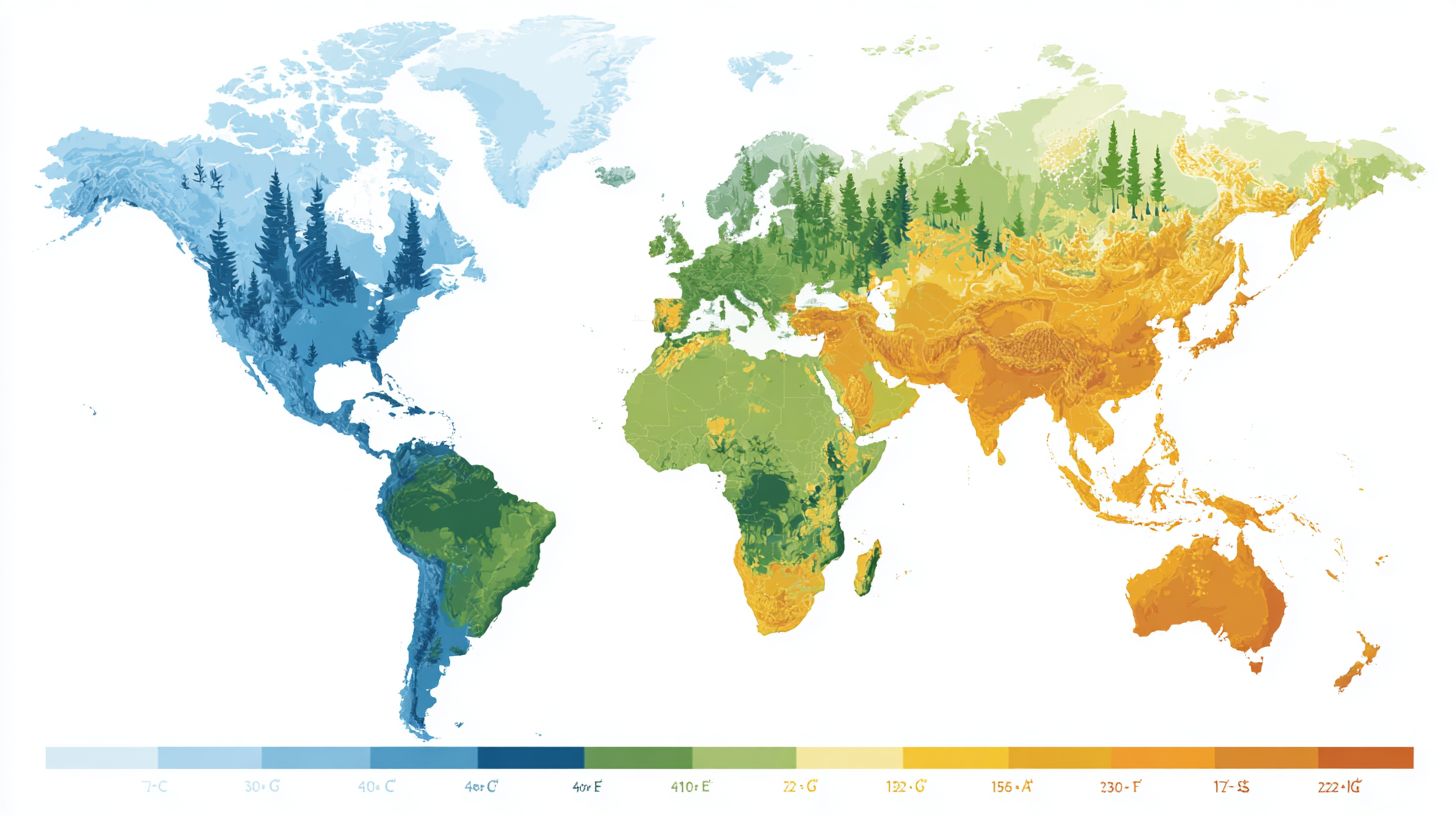
DOE defines 8 climate zones based on temperature and humidity patterns. Your zone determines 30-50% of HVAC size for a 1,200 sq ft home. The US Department of Energy map at buildings.energy.gov breaks the country into these zones using 7 degreesF bins for heating degree days (HDD) and cooling degree days (CDD), plus three humidity levels from A (moist) to C (dry). This setup follows ASHRAE standards and helps with Manual J calculations for accurate BTU requirements.
Check your local climate data and geographic location to find your climate classification, since it affects everything from square feet per ton rules to insulation levels. For example, a hot climate zone might need 400 sq ft per ton for air conditioner sizing, while a cold climate zone pushes toward 500-600 sq ft per ton with bigger furnace sizing. Factors like R-value in walls, attic insulation, and window types tie directly to your zone’s design temperature, peak load, and seasonal temperature swings.
Once you know your zone, adjust for high altitude, latitude effects, or coastal climate quirks. Use a tonnage calculator or online calculator with your zip code’s summer design temp and winter design temp. This climate classification beats guesswork, avoiding oversized HVAC or undersized units that hurt energy efficiency and SEER ratings. IECC codes require this for energy code compliance, so it shapes ductwork design, blower motor size, and even thermostat type choices.
Overview of the 8 Major Climate Zones
tropical zone 1A (Miami): 6,000+ CDD, <1,000 HDD; arctic zone 8B (Fairbanks): 12,000+ HDD, <1,000 CDD. These extremes show how climate zones drive HVAC size for a 1,200 sq ft home. Hot climate zones prioritize air conditioning unit capacity, cold climate ones furnace sizing, all per ACCA standards and Right-Sizing principles.

Hot-Humid vs. Hot-Dry Zone Differences
Humid climate Zone 1A (Houston) needs 40% more cooling than dry climate Zone 2B (Phoenix) due to latent heat. Same 95 degreesF outdoor but 75 degreesF dew point vs 50 degreesF. Humid climates carry high latent load at 35% of total, so dehumidification is key in Manual J for a 1,200 sq ft home.
Hot-humid zones like 1A/2A demand units with strong humidity control, often 3.5 ton AC for 1,200 sq ft considering air infiltration and ventilation rate. Dry climate 2B/3B focus on sensible heat at 75% total load, needing higher airflow and maybe 3 ton with radiant barrier or shading devices. Psychrometrics and enthalpy matter here for equipment sizing.
- Humid climate: Prioritize SEER rating with dehumidification cycles, humidity control, check crawl space ventilation.
- Dry climate: Boost airflow via ductwork design, add thermal mass for peak load management.
Building envelope tweaks like roof pitch and orientation help both, but Kppen zones underline these splits for energy modeling accuracy.
Cold climate and Marine Temperate zone Characteristics
Zone 5C Marine (San Francisco) needs smaller 2-ton AC (800 CDD) but same furnace as Zone 6B (Denver, 2,200 CDD). Cold zones (6A-8B) face 60-80% heating load, where oversized HVAC furnaces are common mistakes without proper Manual J calculation software.
In cold climate zones, high HDD means focusing on heating capacity, AFUE rating s above 95%, and wall insulation R-value. Marine 3C-4C zones have mild winters at 2,000-3,000 HDD, ideal for air source heat pump s with minimal auxiliary heat, plus multi-zone HVAC systems for even temps. High altitude adjustment in places like Denver cuts air density, affecting blower motor and ductwork design.
- Cold: Beef up floor insulation, fresh air intake requirements low but frost line deep.
- Marine: Heat pump capacity shines, lighting load and occupancy less burdensome for residential HVAC.
Temperate zones blend needs, but always factor local climate data for climate-adjusted sizing and HVAC efficiency in varying conditions.
How Climate Directly Impacts Heating and Cooling Loads

Climate drives 40-60% of total HVAC size load through temperature extremes and humidity. Think about ASHRAE guidelines design temps, which set the outdoor benchmarks for peak load conditions in each IECC zones. The basic load equation goes like this: outdoor design temp minus 75 degreesF indoor target, multiplied by an insulation factor based on your home’s R-value, windows, and air infiltration. For a 1,200 sq ft home, this means a hot climate zone might push BTU requirements cooling needs to 3.5 tons, while a cold one demands 80,000+ BTU heating (see our related analysis of HVAC replacement costs for similar 1500 sq ft homes). It all ties back to how much your building envelope fights those extremes, from attic insulation to wall types.
Transitioning to specifics, extreme differentials hit hardest in zones like 1A or 7, where T swings create massive sensible heat demands in central air system. Humidity adds latent loads in coastal areas, forcing bigger dehumidification capacity. Tools like Manual J calculations use local climate data, including cooling degree days and heating degree days, to nail down BTU requirements per square foot. Skip this, and you risk an oversized HVAC wasting energy or an undersized one leaving you sweaty or freezing.
Real talk, for your 1,200 sq ft home, Kppen climate zone matters more than raw square footage. A temperate zone might get by with 400 sq ft per ton cooling, but hot-humid spots drop to 300 sq ft per ton. Factor in orientation, shading, and internal gains from occupancy or appliances, and climate-adjusted sizing becomes key for energy efficiency and comfort.
Extreme Temperature Differentials by Zone
Zone 1A faces a 98 degreesF cooling design temp, creating a 23 degreesF T; Zone 7 hits -5 degreesF heating design with an 80 degreesF T. These ASHRAE standards show how climate zones dictate peak loads for a 1,200 sq ft home. Check this table for key design conditions across zones.
Notice how bigger T in cold zones like 6B spikes heating capacity needs, often requiring 60,000 BTU two-stage furnace s even with decent insulation. In hot zones, that cooling load jumps, pushing toward 3 ton units. For your home, multiply T by square footage and an insulation factor around 20-30 BTU/sq ft/hr/ degreesF for rough contractor sizing, but always run a full Manual J calculation with ductwork design and double-pane windows types.
High altitude or latitude effects make this worse in extreme weather spots.
A Zone 7 home might need AFUE rating furnaces oversized by 20% for frost line safety, while Zone 1A demands high SEER rating air conditioners to handle summer design temps.
Humidity’s Effect on Cooling Requirements
Hot-humid zones carry 30-40% latent heat load vs 10-15% in dry zones, so total cooling often doubles. Sensible heat is the temp rise you feel; latent is the moisture removal energy. Phoenix at 110 degreesF/40% RH might need 35,000 BTU sensible for a 1,200 sq ft home, but Houston at 95 degreesF/75% RH hits 25,000 BTU sensible plus 15,000 BTU moisture removal latent, totaling 40,000 BTU.
This psychrometrics stuff means humid climates like Zone 2A need HVAC equipment size bumped up, with blowers at 350 CFM/ton for better dehumidification vs 400 CFM/ton in dry areas. Poor duct sizing or high air infiltration worsens it, leading to clammy indoor air despite cooled temps. Aim for equipment with strong latent heat removal, like variable-speed heat pumps.
- Check IECC zones codes for your humid climate zone humidity control rules and building code compliance.
- Use radiant barriers and crawl space ventilation to cut air changes per hour moisture infiltration.
- Factor occupancy load and fresh air requirements into Manual J for accurate tonnage calculator results.
Heating Degree Days (HDD) Explained
HDD equals (65 degreesF – avg daily temp) times days; Zone 7 averages 8,000-10,000 HDD vs Zone 1’s 800. This metric sums seasonal temperature swings for furnace sizing. Here’s an annual HDD table showing furnace impact on a well-insulated 1,200 sq ft home.
The sizing formula is BTU requirements = HDD x 24 x insulation factor divided by 2,000. For cold climate zones, high HDD means thicker wall insulation and floor insulation to avoid undersized HVAC. A Zone 7 setup with poor R-value might need 100,000 BTU, while temperate zones stick to 50,000 BTU. Mix with the highest winter design temperature for a complete view.
ACCA standards stress Right-Sizing over rules of thumb like BTU per sq ft. Zoning systems and thermostat types help distribute heat evenly in homes with big HDD.
Cooling Degree Days (CDD) Explained
CDD equals (avg daily temp – 65 degreesF) times days; Zone 1A hits 5,500+ vs Zone 6’s 800. While annual totals guide energy use, peak load from design temps drives air conditioner sizing for your 1,200 sq ft home. See this CDD table for minimum tonnage baselines.
High CDD in hot climate zones like 1A pushes toward 300-400 sq ft per ton, factoring roof pitch, shading factors, orientation home, and appliance heat. Coastal climates add humidity, so blend with latent loads. Load calculation software using local climate data ensures energy code compliance without oversized units killing SEER efficiency.
For best results, consider thermal mass, orientation home, and ventilation rate. In dry Zone 5B, you might hit 500 sq ft per ton, but always verify with Manual J including duct sizing and blower motor specs.
Baseline HVAC Size for 1,200 Sq Ft Without Climate Adjustment
Generic 1,200 sq ft sizing ignores climate zone at your peril, here is the starting point before professional assessment adjustments. The national average for HVAC size often lands around 1 ton per 500 square feet, which puts a 1,200 sq ft home at about 2.4 tons of cooling capacity. This comes from ACCA standards and works as a rough guide, but it skips over 40% of variation tied to local weather patterns like cooling degree days or heating degree days. Without factoring in your specific spot, you risk an oversized HVAC that cycles too much or an undersized HVAC one that struggles on peak days, raising energy costs and utility bills.
Think of this baseline as the middle ground for a typical home with average insulation levels and standard windows. For instance, ASHRAE standards suggest starting with 25-35 BTU per square foot for cooling, landing between 30,000 and 42,000 BTU total. That equals 2.5 to 3.5 tons. Heating follows similar logic using AFUE rating furnaces sized to winter design temps, but climate shifts everything for comfort levels. Manual J calculation s refine this by adding details like R-value in walls or air infiltration rates.
Builders often default to 400-600 sq ft per ton based on ductwork design and blower motor specs. A 1,200 sq ft home might get a 2-ton unit split system in theory, yet real-world factors like occupancy load or internal gains from appliances push it higher. This unadjusted view sets the stage, but your local climate data demands tweaks for energy efficiency and comfort. Skipping them leads to higher bills or poor humidity control.
Rule-of-Thumb BTU per Square Foot
25-35 BTU/sq ft cooling baseline equals 30k-42k BTU (2.5-3.5 ton) for 1,200 sq ft average home with good low-E glass. This rule gives a quick check before full Manual J work. Poor insulation homes need over 35 BTU per sq ft, while excellent setups with high R-value walls, radiant barriers, and ceiling fans drop to 20-25 BTU. For your 1,200 sq ft home, average conditions mean 1,200 x 30 BTU = 36,000 BTU, or exactly 3 tons with proper thermostat settings.
Typical Tonnage Range (2-3 Tons)

2 ton (24k BTU) suits mild climates; 3 ton (36k BTU) needed for average+ conditions. For a 1,200 sq ft home, HVAC size hinges on sq ft per ton rules from ACCA standards. Excellent insulation allows 600 sq ft/ton, so 2 tons covers it. Average homes fit 480 sq ft/ton or 2.5 tons. Poor setups demand 400 sq ft/ton, hitting 3 tons.
- 2-ton unit: Best for temperate zones with low seasonal swings, high SEER rating helps efficiency.
- 2.5-ton unit: Go-to for most, balances heat pump capacity and duct sizing.
- 3-ton unit: Essential in hot or humid climates for peak load like summer design temp over 95 degreesF.
Heat pumps in cold climate zones need extra for heating degree days, while high altitude calls for adjustments. Oversized HVAC picks waste energy on short cycles; undersized HVAC ones fail on extreme weather. Factor in thermostat type or multi-zone HVAC systems for even coverage. This range sets your equipment sizing foundation, tuned next by climate specifics like Kppen climate zones or frost line depth.
HVAC Sizing Adjustments by Specific Climate Zones
IECC and ACCA standards guide HVAC size changes based on climate zones, with adjustments up to +-30% from a basic rule of thumb. For a 1,200 sq ft home, generic sizing might suggest 2-2.5 tons, but local conditions like cooling degree days and heating degree days shift that need. These rules come from ASHRAE data and Manual J calculations, factoring in design temperatures and humidity. Climate zones shift 1,200 sq ft baseline 0.5-1 ton from generic sizing. Think about your area’s peak summer highs or winter lows when picking equipment.
Zone maps from IECC zones divide the U.S. into eight main areas, each with unique BTU requirements. Hot spots demand more for sensible heat and latent loads, while cold zones focus on heating capacity. A tonnage calculator helps, but always check local regulations and local climate data for accuracy. For example, high altitude adjustment in places like Denver adds to the equation, and coastal homes deal with salt air effects on HVAC equipment.
Right-Sizing prevents an oversized HVAC that cycles too much or an undersized one that struggles. Consider square feet per ton rules: 400 sq ft per ton in humid spots, up to 600 sq ft per ton in mild areas. Ductwork design and insulation levels play in too, with R-value targets varying by zone for energy code compliance.
Zone 1 (Hot-Humid): 3-3.5 Ton Recommendation
Florida/Texas homes need 3-3.5 ton (400-360 sq ft/ton) due to 5,000+ CDD and 35% latent load. In this hot climate zone, design temps hit 95-100 degreesF with 75 degreesF dew points, so dehumidification is key. For a 1,200 sq ft home in Miami, aim for 42k BTU cooling (3.5 ton) and 45k BTU heating. Airflow runs 1,050-1,225 CFM to handle moisture, using residential HVAC units with high SEER ratings for efficiency.
Latent heat from humidity means bigger coils and humidity control features. Manual J calculation factors in window types, orientation home, and attic insulation. Poor air infiltration bumps up peak load, so seal the building envelope first. Heat pumps work here but pair with backups for extreme days.
Example: A Houston ranch-style needs 3 ton minimum, with radiant barrier and high R-value walls cutting load by 10%. Check IECC codes for fresh air requirements and ventilation rate. This sizing keeps indoor comfort steady without wasting energy.
Zone 2-3 (Hot-Dry/Mixed): 2.5-3 Ton Adjustment
Phoenix/Atlanta: 2.5-3 ton range (480-400 sq ft/ton) balances 3,000-4,000 CDD with moderate humidity. Zone 2B like Phoenix sees 110 degreesF dry bulb highs focused on sensible heat, while 3A Atlanta hits 92 degreesF/75 degreesF wet bulb for mixed loads. A 1,200 sq ft home calls for 30-36k BTU total. Dry air means less dehumidification but more cooling capacity per ASHRAE guidelines.
Duct sizing matters in these areas, with blower motors pushing steady airflow. Insulation levels like R-30 attics help, and shading factors from roof pitch reduce solar gain. Internal gains from occupancy load and appliances add up, so factor those in HVAC software.
In Albuquerque, a 2.5 ton unit fits with good wall insulation, hitting energy efficiency goals. Seasonal temperature swings test the system, so pick AFUE-rated furnaces for cooler months. This climate-adjusted sizing avoids short-cycling and keeps bills in check.
Zone 4-5 (Cool/Marine): 2-2.5 Ton Sizing
Chicago/Seattle: 2-2.5 ton (600-480 sq ft/ton) matches 1,000-2,000 CDD, 4,000-6,000 HDD. Zone 4B Chicago designs for 89 degreesF cooling/8 degreesF heating, while 4C Seattle uses 82 degreesF/25 degreesF for milder loads. Heat pump sweet spot lands at 24-30k BTU capacity, perfect for temperate zone balance with good AFUE rating.
Marine influences mean steady mild temps, but fog and rain affect ductwork design. Use zoning systems and smart thermostats for even comfort, or consider a ductless mini-split. Crawl space ventilation and floor insulation cut infiltration losses. ASHRAE standards guide BTU per sq ft here, around 25-30.
A Portland bungalow thrives on 2 ton with high SEER, handling shoulder seasons well. Furnace sizing stays modest at 40-50k BTU. Local climate data confirms this prevents oversized HVAC issues like poor humidity control.
Zone 6-8 (Cold/Very Cold): 2.5-3 Ton with Heat Pump Focus
Denver/Minneapolis: 2.5-3 ton cooling but 60-80k BTU heating; prioritize cold-climate heat pumps or ground source heat pump. Zone 6B Denver specs 92 degreesF cooling/-2 degreesF heating, while zone 7 needs furnaces over 60k BTU. A 30k BTU cooling unit delivers 45k+ heating at 5 degreesF in these cold climate zones.
High altitude adjustment and latitude effects increase heating needs, with frost line dictating foundation insulation. Thermal mass from concrete helps, but psychrometrics show defrost cycles matter for heat pumps. ACCA standards push for Manual J with extreme weather in mind.
In Fargo, pair 2.5 ton AC with 70k BTU furnace or advanced heat pump. Enthalpy calculations confirm capacity at winter design temperature. Good R-value envelopes and tight construction make this sizing efficient year-round.
Manual J Load Calculation: Climate’s Central Role
Manual J calculation puts climate data into exact load calculations, required by code in most states including Title 24. This ACCA standard uses your local 1% design temperatures, along with heating degree days and cooling degree days, to figure exact BTU requirements for a 1,200 sq ft home. Without it, you risk an oversized HVAC that wastes energy or an undersized one that struggles on peak days. Think of it as the blueprint for right-sizing your system based on your specific climate zone.
In a hot climate zone like Phoenix, summer design temps might hit 110 degreesF, pushing cooling loads high with lots of latent heat from humidity, possibly requiring reheating. A cold climate zone in Minneapolis could see winter design temps at -10 degreesF, demanding strong heating capacity from forced air system or hydronic. Manual J factors in these along with insulation levels, window types, and air infiltration to calculate sensible heat and latent loads. For your 1,200 sq ft space, this might mean 3-ton AC in humid areas versus 2-ton in dry ones, avoiding common pitfalls like short-cycling from oversized units.
Pros always run Manual J for energy code compliance under IECC rules. Homeowners can do it too using HVAC software, ensuring HVAC size matches regional needs. It considers high altitude adjustment and latitude effects, plus internal gains from occupancy and appliances. Result? A system with proper SEER rating, AFUE rating, and EER rating that runs year-round and cuts bills in any temperate zone or coastal climate.
Step-by-Step Climate Data Integration
Step 1: Get local 1% design temps from ASHRAE guidelines. Manual J puts climate zone front and center by pulling winter and summer peaks, like 95 degreesF cooling and 20 degreesF heating for a temperate zone with variable speed compressor. Enter your zip code to grab heating degree days and cooling degree days, which show seasonal temperature swings. Consider ERV system or HRV system for ventilation.
Follow these steps for a solid Manual J calculation on your 1,200 sq ft home with proper HVAC size:
- Find design temperature by zip from ASHRAE sources, noting 99% winter and 1% summer extremes.
- Input those into your Manual J form or software, adding local climate data like humidity levels.
- Enter insulation R-value s, such as R-30 attic and R-13 walls, plus window types with low-E glass and shading factors.
- Calculate envelope loads from the building shell, including roof pitch, orientation, and BTU requirements.
- Add internal loads: occupancy load for 3-4 people, appliance heat, and lighting.
- Factor ductwork design, ventilation rate, and fresh air requirements; total sensible heat and latent heat for peak load.
This takes 2-4 hours manually but nails BTU requirements. In a humid climate, latent loads jump 20-30%; cold zones emphasize HVAC equipment like furnace or packaged unit sizing.
Tools and Software for Zone-Specific Calcs
CoolCalc ($150/yr) auto-pulls NOAA climate data; Wrightsoft Right-Suite ($1,200) industry standard. These make Manual J load calculation faster for zone-specific sizing, grabbing ASHRAE standards on design temps and degree days without manual lookups. Free ASHRAE bin data helps starters verify Pick based on needs: CoolCalc shines for DIY with easy tonnage calculator outputs like 400 sq ft per ton in hot zones. Wrightsoft handles complex duct sizing and zoning systems. All adjust for dry climate low humidity or coastal climate salt air, ensuring equipment sizing avoids oversized HVAC issues. Pair with free tools for quick BTU per sq ft checks.
Additional Climate-Related Variables Affecting Size
Beyond zone averages, site-specific climate factors adjust sizing 10-25%. While broad climate zones give a starting point for your 1,200 sq ft home, local conditions like microclimates often matter more. A shady hillside spot cools easier than a sunny valley, even in the same zone. Things like elevation, coastality, and home orientation shift your Manual J calculation results. For instance, coastal humidity ramps up latent heat needs, while high altitude cuts air density and heating capacity. These tweaks ensure you avoid oversized HVAC or undersized HVAC, hitting right on peak load.
Think about cooling degree days and heating degree days from local weather stations, not just zone maps. ASHRAE standards call for this accuracy in equipment sizing. A home in a hot climate zone with poor shade might need 400 sq ft per ton cooling, versus 500 sq ft per ton in a temperate spot. Elevation above 2,000 ft demands high altitude adjustment, often 3% less capacity per thousand feet. Coastal areas add latent load from moisture, pushing for better dehumidification. Home orientation and nearby trees change solar exposure too. Get local design temperature data for summer and winter peaks to adjust your BTU requirements.
IECC codes set minimums by zone, but smart builders go further for energy efficiency. In humid climates, factor 20% extra for moisture control. Dry zones focus on sensible heat. Tools like load calculation software make this easy, factoring square footage, insulation levels, and more. This climate-adjusted sizing keeps SEER and AFUE ratings working at peak, saving bills year-round.
Insulation and Building Envelope Impacts
R-30 attic + R-19 walls cuts cooling load 35% vs R-19 attic + R-13 walls. Your building envelope traps heat or cold, directly hitting HVAC size for a 1,200 sq ft home. Poor R-value in hot climates means your AC fights constant leaks, needing bigger tonnage calculator numbers. Upgrade to meet or beat IECC minimums per zone, and watch loads drop. Attic insulation and wall insulation top the list, with radiant barriers adding extra punch in sunny areas.
This table shows real gains from better insulation levels. In cold climate zones, bump floor insulation and crawl space vents too. Air infiltration through gaps adds 15-20% to loads, so seal ducts and windows. ACCA standards in Manual J factor all this for accurate air conditioner sizing or furnace needs. A temperate zone home with solid envelope might run 600 sq ft per ton, while leaky ones stick at 400 sq ft per ton. Check local energy code compliance to stay legal and efficient.
Window Orientation and Solar Gain
South-facing windows add 15,000 BTU/day solar gain in Zone 2; north-facing add 3,000. Window orientation pumps solar heat gain into your 1,200 sq ft home, swelling cooling needs in warm climate zones. East and west glass bake morning or afternoon sun, often 1.5 times south-facing impact. Pick window types with low SHGC, under 0.25, to cut this. Shading from overhangs or trees drops it further with a shading factor of 0.3 versus 1.0 exposed.
In Phoenix, Manual J tables show June south glass at 200 BTU/sq ft/day. For 100 sq ft of east windows, that’s serious peak load mid-morning. Roof pitch and home orientation play in, with steep roofs shedding heat better. Add internal gains from lights and appliances, and orientation shifts BTU per sq ft by 20%. North windows stay cool, ideal for hot dry climates. Use blinds or films for quick fixes, targeting HVAC load factors right.
Balance this in your tonnage calculator with local data. Humid spots pair low SHGC with good ventilation. This keeps heat pump capacity matched, avoiding short cycling. Folks in coastal climates see bigger swings from salt air on glass too.
Local Microclimates and Elevation Effects
Denver at 5,280 ft needs 10-15% more airflow than sea level; coastal zones add 20% corrosion protection. Microclimates tweak your HVAC size beyond zone lines. A downtown urban heat island bumps design temperature 5 degreesF over suburbs, like Phoenix suburb versus core. Elevation thins air, cutting blower efficiency and needing duct sizing changes. Every 1,000 ft over 2,000 ft drops capacity 3%, per ASHRAE.
- Elevation: Bigger blower motor for less dense air in high spots.
- Coastal: 15% extra latent heat from humidity, plus salty air upgrades.
- Urban: Add 4-5 degreesF to summer peaks for heat islands.
Latitude effects and seasonal temperature swings matter too. Mountain valleys trap cold air, shifting winter design temp. Coastal fog cuts loads mornings, but humidity lingers. Factor occupancy load and fresh air rates with local psychrometrics for full picture. In cold zones, frost line dictates foundation insulation. Use Right-Sizing HVAC methods for regional HVAC needs, blending climate impact on sizing with site visits.
Real-World Examples and Cost Implications
Real installs prove climate zone sizing saves 30-50% on bills versus rule-of-thumb guesses for a 1,200 sq ft home. Case studies back up the calculations nicely. Picking the wrong HVAC size often means $200-500 extra per year in energy costs, plus more repairs from short cycling or constant running. Homeowners in hot climate zones like Florida see huge differences when using Manual J over square footage alone. In cold spots like Minnesota, heating degree days drive up BTU requirements. These examples show how local climate data, insulation levels, and design temperatures shape the right equipment.
Take a look at actual installs. One Florida family skipped a contractor’s quick 400 sq ft per ton estimate and got a proper load calculation. It matched their cooling degree days and humid climate perfectly. Up north, a Minnesota setup factored in extreme winter design temps and frost line depth. Both avoided oversized HVAC that wastes money. ASHRAE standards and ACCA guidelines make these numbers reliable. You can plug your details into load calculation software for similar results.
Cost implications add up fast. Proper sizing meets IECC codes and cuts peak load strain. Think about seasonal temperature swings and latitude effects too. A right-sized system handles sensible heat and latent heat without extra dehumidification needs. Over time, this means lower bills and a system that lasts. Real data from energy modeling tools confirms the savings across zones.
Case Study: Florida Zone 1 vs. Minnesota Zone 7
Florida 1,200 sq ft home in Zone 1A: Manual J called for 3.5 ton versus contractor’s 2 ton guess, avoided 40% short cycling losses. The hot humid climate demanded 42k BTU cooling and 45k BTU heating capacity. Install ran $8,500 with a high-SEER heat pump. Payback hit in 3 years compared to an oversized unit that would hum constantly in summer design temps near 95 degreesF. Window types, roof pitch, and shading factors all fed into the tonnage calculator. Good attic insulation and R-value on walls kept air infiltration low.
Switch to Minnesota Zone 7: Same home size needed just 28k BTU cooling but 75k BTU heating due to brutal heating degree days and winter design temp of -10 degreesF. They went with a heat pump plus furnace hybrid at $12,000 install. Ductwork design and blower motor matched the lower cooling load. High altitude adjustment wasn’t a factor, but building envelope tweaks like crawl space ventilation helped. This setup beat a straight furnace guess by handling both peak loads well.
Both cases highlight zone-specific sizing. Florida focused on latent heat from humidity control. Minnesota prioritized furnace sizing and thermal mass. Using local climate data and psychrometrics ensured energy code compliance. Home orientation and internal gains like occupancy load fine-tuned the numbers. These real setups prove climate impact on HVAC sizing for residential design.
Energy Efficiency and Long-Term Savings
Right-sized 16 SEER Zone 1 system saves $450/year versus 13 SEER oversized 4 ton unit in a hot climate zone. Upfront cost lands at $3,200 for the proper air conditioner sizing, with $950/year operating expenses. The oversized alternative jumps to $7,500 install and $1,450/year to run, thanks to poor AFUE rating and constant on-off cycles. Payback period clocks in at 4 years. DOE savings calculator data backs this, factoring cooling capacity and equipment sizing rules.
Efficiency shines with SEER rating matched to climate classification. In temperate zones, pair it with zoning systems and smart thermostats. Cold climate zones benefit from heat pump capacity tweaks for enthalpy control. Duct sizing and ventilation rate keep fresh air requirements in check without waste. Radiant barrier and floor insulation improve the building envelope more. Avoid undersized HVAC that struggles on extreme weather days.
Long-term, this means real money saved. Think 500 sq ft per ton in milder areas versus 600 sq ft per ton up north. Manual J accounts for appliance heat, lighting load, and seasonal swings. Right-sizing follows ACCA standards and cuts HVAC load factors like infiltration. Over a decade, you pocket thousands while meeting IECC codes. Coastal climates or dry ones adjust for unique needs like dehumidification or high altitude.
About the Author
I’m Allen Chambers, a master electrician and licensed HVAC contractor with over 20 years of experience helping Florida homeowners design energy-efficient, high-performance HVAC solutions. As a contributor to HVAC Service Cost, I focus on making heating and cooling upgrades more affordable, sustainable, and stress-free for families across the state.
Leave a Reply